


How to Find Work as a Disabled Person
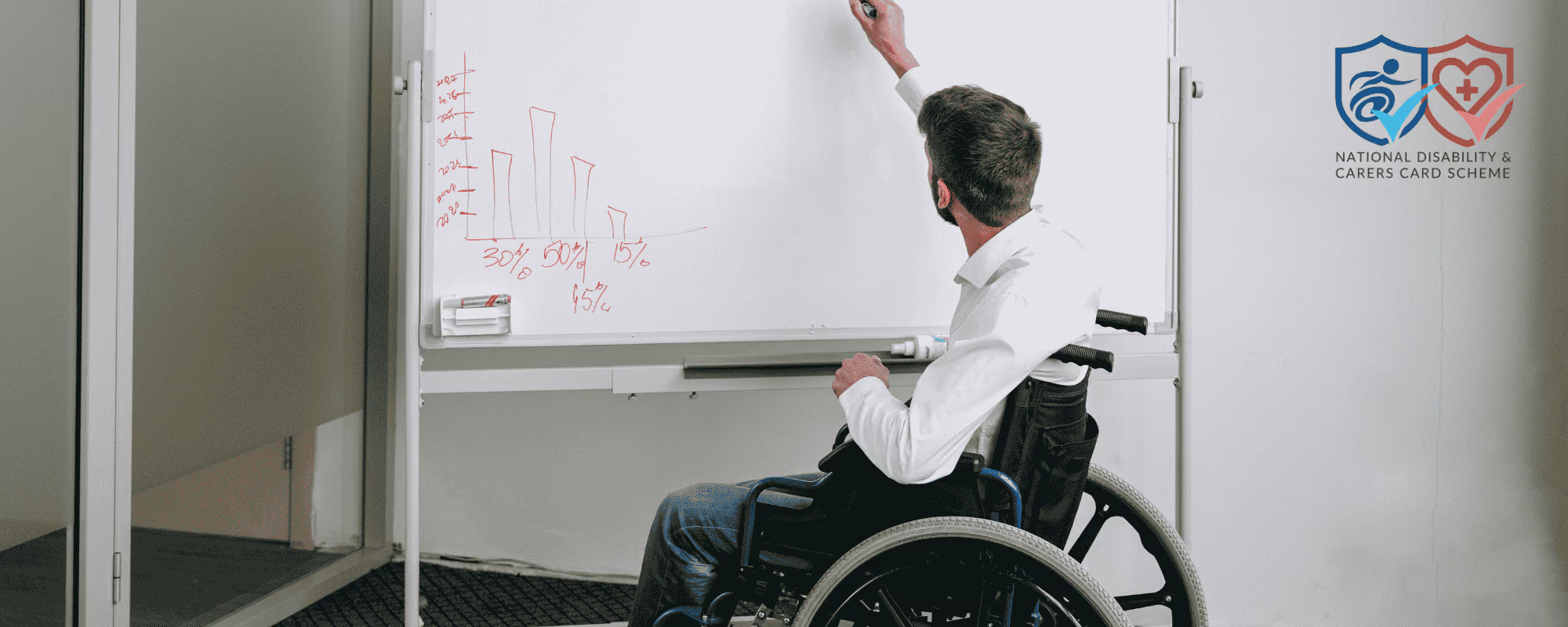
Navigating the job market can feel overwhelming, especially when you’re balancing health, accessibility needs, or discrimination barriers. But the reality is this: there are more opportunities than ever before, particularly with the rise of remote and flexible work. This guide breaks down how to find work, the best jobs for people with disabilities, and where to look for support in the UK.
Starting Your Search for Inclusive Workplaces
Finding the right job isn’t necessarily about applying everywhere, but you can target your applications to inclusive employers and roles that suit your needs.
1. Know Your Strengths and Needs
Start by identifying what you can do comfortably and consistently. Think about:
- Your skills (e.g. writing, admin, coding, customer service)
- Your energy levels and schedule flexibility
- Any workplace adjustments you may need
This clarity helps you focus on work for disabled adults that’s sustainable long-term.
2. Look for Disability-Confident Employers
In the UK, many companies are part of the government’s Disability Confident scheme. These employers actively support inclusive hiring and workplace adjustments. You can also find support through organisations like Scope or Disability Rights UK. They offer advice, job boards, and guidance tailored to work for disabled people.
3. Request Reasonable Adjustments
Under the Equality Act 2010, employers must make reasonable adjustments. This could include:
- Flexible hours
- Remote work options
- Assistive technology
Don’t hesitate to ask, because this is your legal right!
Best Jobs for Disabled People (UK)
The growth of remote work and flexible work has opened many doors for disabled people. Popular options include:
1. Remote Administrative Work
- Virtual assistant
- Data entry clerk
- Transcriptionist
These are ideal jobs working from home for disabled people, as they can require minimal physical strain.
2. Freelance & Creative Roles
- Writing or blogging
- Graphic design
- Social media management
Freelancing offers control over your workload, and is often more likely to allow you to work from home. That being said, you will have to find your own clients and work, so it's worth looking into the downsides in order to make a decision if you're considering going freelance.
3. Customer Support (Remote)
Many companies hire remote agents for chat or email-based support roles.
4. Tech & Digital Jobs
- Web development
- Software testing
- Digital marketing
These roles can be highly in demand, allowing you to potentially negotiate more flexibility if your skills and qualifications are suited.
5. Part-Time Retail or Local Roles
If you prefer in-person work, but you're still looking for flexibility, part-time by default, or the ability to say no to a shift, you might look for:
- Library assistant roles
- Retail work including supermarkets and shopping outlets
- Receptionist or administrative jobs with flexible hours
Websites for Disabled Job Seekers
Here are some of the most helpful platforms:
- Evenbreak – Specialises in inclusive employers
- Scope – Advice and job listings
- Disability Rights UK – Career support resources
- Gov.uk – Search Disability Confident employers
- Remploy – Job support for disabled people
- Reed – Use filters for remote and flexible work
- Indeed – Search keywords like “remote disability friendly”
About the National Disability & Carers Card Scheme
The National Disability & Carers Card scheme was set up in 2019 by carers to make everyday life and access easier for people with disabilities and those who care for them. The scheme supports 200,000 card holders and provides easy-to-carry visual identification that helps users avoid repeatedly explaining their disability or caring role. The National Disability Card is accepted as proof of disability at 600+ venues across the UK and abroad.
Conclusion
Finding meaningful and sustainable employment may take time, but the landscape is improving. Whether you’re looking for jobs/work for disabled people remote, flexible part-time roles, or full-time careers, there are real opportunities out there.Focus on what works for you, seek out inclusive employers, and use dedicated resources. The right role isn’t just about earning, it’s about building a life that fits your needs.
Share

.avif)
.avif)