


How to Stay Warm in Winter Without Raising Electricity Bills
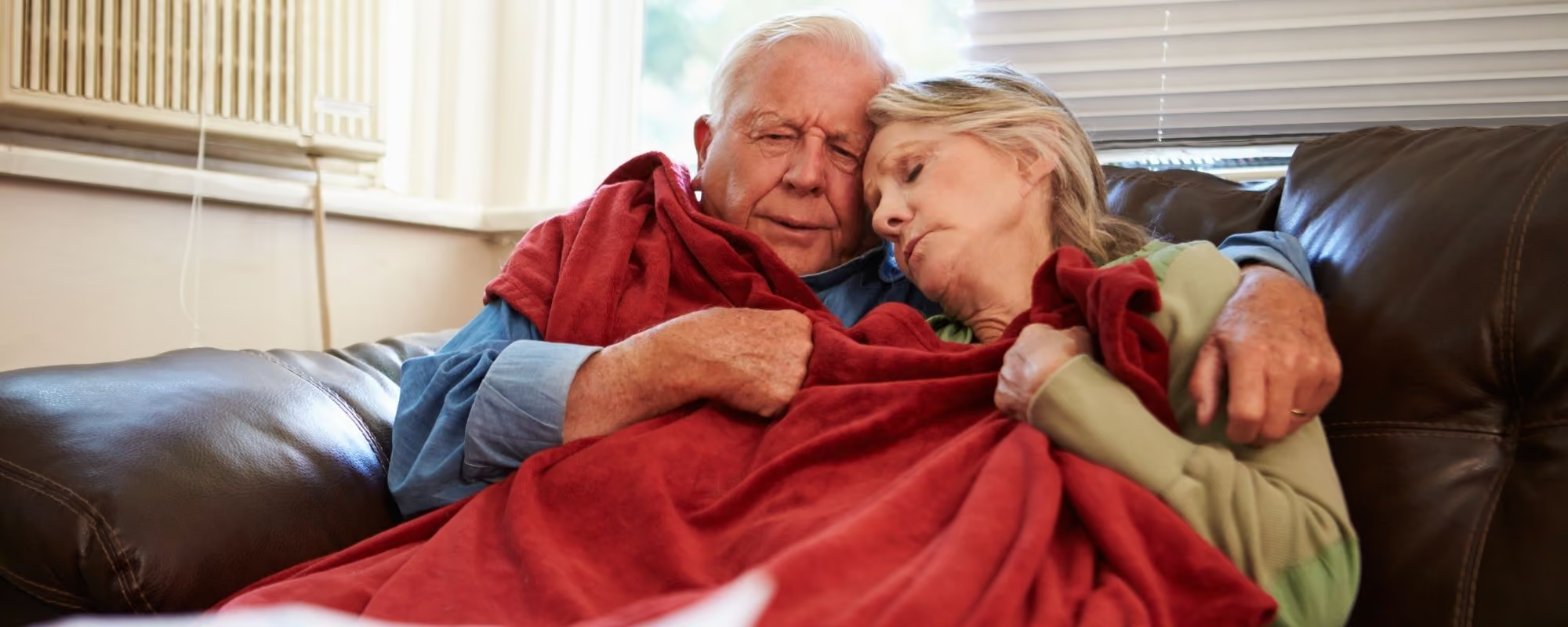
Winter can be especially challenging if you’re disabled or caring for someone who is. Many health conditions make it harder to regulate body temperature, stay mobile, or manage household tasks, all while energy bills continue to rise. The good news is that staying warm doesn’t always mean turning the heating up.
Here are practical, low-cost, and accessible ways to keep warm while keeping electricity use down.
Why staying warm matters more for disabled people
Cold homes can worsen many conditions, including:
- Arthritis and chronic pain
- Circulation problems
- Respiratory conditions
- Multiple sclerosis
- Fibromyalgia
- Post-stroke complications
Cold can also increase fall risks due to stiffness and reduced mobility. For carers, keeping the person you support warm is not just about comfort, it’s about health and safety.
Focus on heating the person, not the whole house
Heating an entire home is expensive and often unnecessary. Low-energy ways to keep warm include:
- Hot water bottles (standard or long body-length)
- Microwave heat packs
- Heated throws or lap blankets
- Electric blankets
Heated throws are particularly helpful for wheelchair users or people who sit for long periods. They use far less electricity than space heaters while providing direct warmth. For other tips on making a home more accessible: Accessible Home Hacks
💡Carer tip: Monitor the person you look after using heated products, check skin regularly for redness or burns if the person has reduced sensation.

Eat and drink for internal warmth
Nutrition plays a big role in body temperature.
Helpful options:
- Porridge
- Soups and stews
- Hot drinks
- Slow-cooked meals
💡Carer tip: Supporting someone with reduced appetite, small frequent warm meals can help maintain warmth.
Keep beds warm without overnight heating
Running heating all night is costly. Instead, create a warm sleep setup:
- Use a higher tog winter duvet
- Add fleece or flannel sheets
- Layer blankets for adjustable warmth
- Use a heated mattress pad or electric blanket (pre-heat the bed)
💡Safety note: Avoid electric blankets for people who:
- Cannot operate controls independently
- Have incontinence (unless waterproof rated)
- Have reduced heat sensation
Always follow manufacturer guidance.
Block draughts to protect vulnerable people
Cold draughts can quickly chill someone who is immobile or frail.
Check and seal:
- Door gaps (use draught excluders)
- Window leaks (foam strips or film)
- Chimneys (chimney balloons)
- Letterboxes
Position seating and beds away from draughty areas where possible.
Curtains can significantly reduce heat loss:
- Open them during daylight for natural warmth.
- Close them before dark to trap heat.
- Use thermal or blackout curtains if available.
For wheelchair users, ensure curtain cords and rails are safely positioned and accessible.
Warm key living areas only
If energy use is limited, prioritise:
- Living room
- Bedroom
- Bathroom (when bathing)
Keep doors closed to hold heat in. Portable draught screens can help section off open-plan spaces.
Layer clothing for warmth and comfort
Layering helps trap body heat without restricting movement.
- Thermal base layers
- Fleece or wool mid-layers
- Loose outer layers (easier for dressing assistance)
- Thermal socks
- Fingerless gloves (for wheelchair users or those needing dexterity)
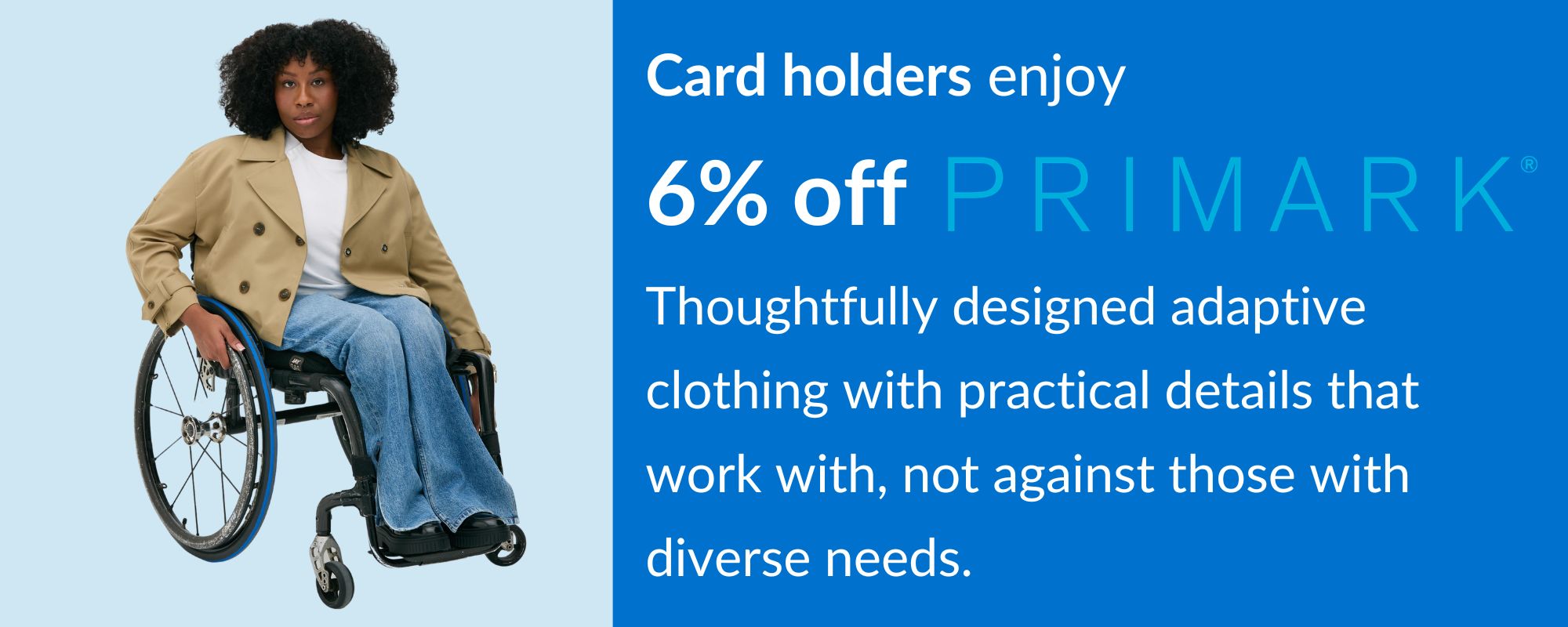
💡Carer tip: Adaptive clothing with Velcro fastenings or side openings can make dressing easier for carers.
Check eligibility for winter support
Disabled people are often entitled to extra help.
This may include:
- Winter Fuel Payment
- Cold Weather Payment
- Disability Cost of Living support
- Energy supplier hardship grants
- Priority Services Register (for power outage support)
💡Carer tip: Carers can help apply or contact local councils and charities for additional assistance.
Carer wellbeing matters
Carers often put their own comfort last — but staying warm helps you provide better care.
Remember to:
- Layer up
- Use heated throws when resting
- Take warm drink breaks
- Keep spare gloves and socks handy
You can’t pour from an empty cup — warmth is part of sustaining your energy. For other helpful money saving tips for carers.
Staying warm in winter is essential, especially for disabled people whose health can be directly affected by the cold. While rising electricity costs make heating a concern, small changes, from layering clothing to using heated throws and blocking draughts, can make a meaningful difference. Warmth doesn’t have to come from turning up the thermostat. With thoughtful adjustments and support, you can create a safe, cosy environment while keeping energy bills under control.
About the National Disability & Carers Card scheme
The National Disability & Carers Card scheme was set up in 2019 by carers to make everyday life and access easier for people with disabilities and those who care for them. The scheme supports 200,000 card holders and provides easy-to-carry visual identification that helps users avoid repeatedly explaining their disability or caring role. Cards are accepted as proof of disability at 600+ venues across the UK and abroad.
Conclusion
Share

.avif)
.avif)